€11.5 million Uplift for Local Food Firms
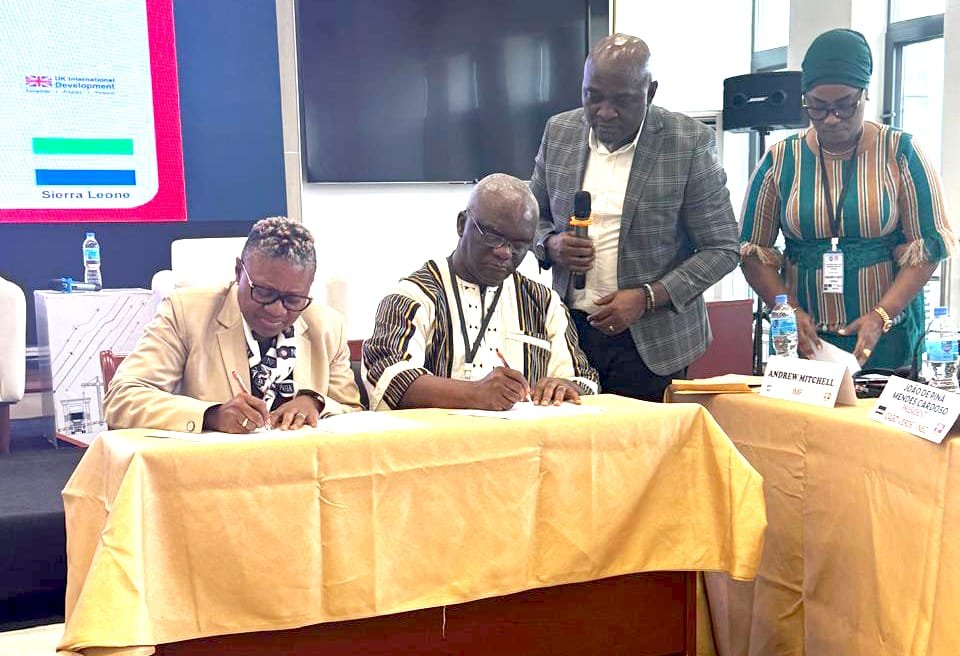
Sierra Leone’s drive toward food sovereignty has received a major lift, with the European Union approving €11.5 million (about SLE 265 million) to expand and modernize the country’s local production of fortified foods for vulnerable children. The funding, channelled through the United Nations World Food Programme (WFP), will upgrade four existing food processing facilities and establish a new processing centre in Makeni over the next 48 months.
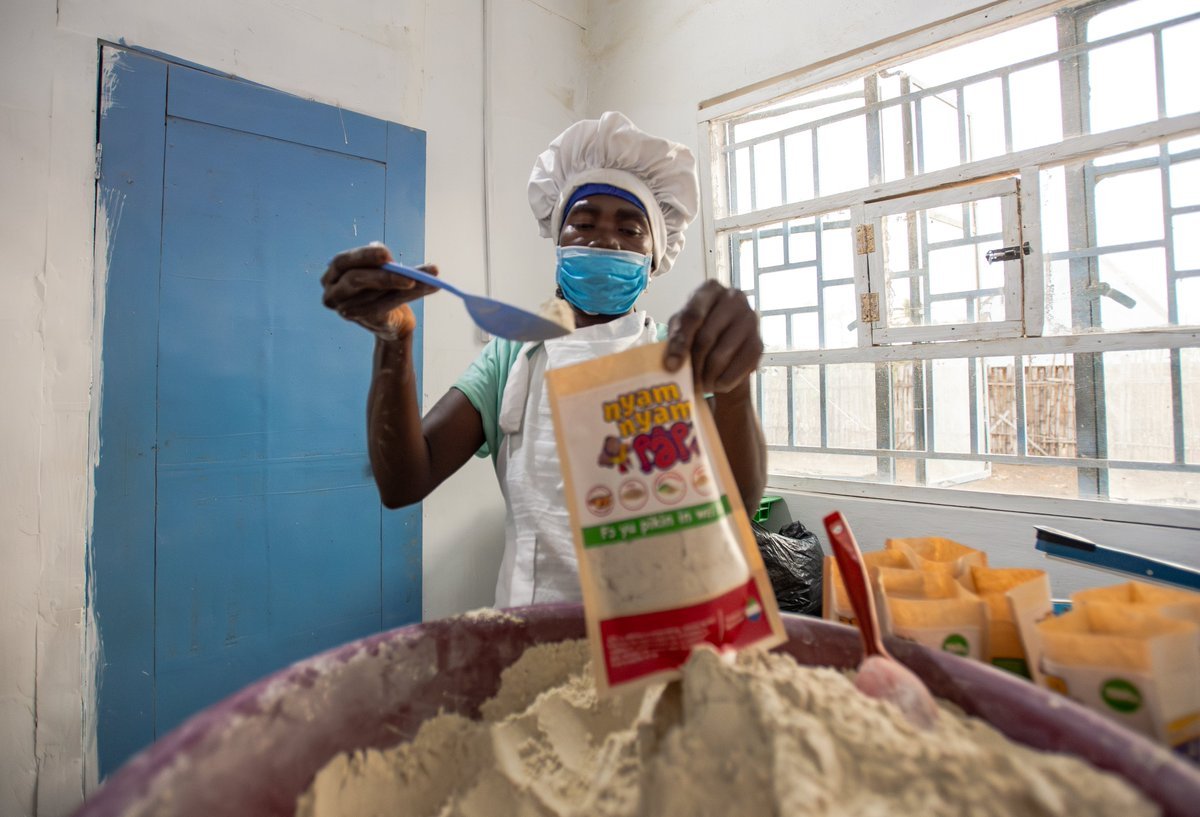
At the heart of the initiative is the expansion of “Nyam Nyam Pap”, a fortified complementary food for children aged 6 to 23 months, produced entirely from local ingredients. The programme aims to reach over 25,000 beneficiaries, strengthening Sierra Leone’s fight against chronic malnutrition. EU Ambassador Jacek Jankowski said the project reflects a shift toward homegrown solutions.
“This initiative demonstrates how locally driven solutions can transform nutrition outcomes while supporting economic growth,” he noted, adding that combining food production, nutrition education and market development helps tackle the root causes of malnutrition.
Four existing processing centres in Kambia, Moyamba and Pujehun—each capable of producing up to 40 metric tons of fortified food annually—will be refurbished. These facilities have already supported over 4,000 children at risk of malnutrition and contributed to WFP’s nutrition awareness campaigns that have reached 8,000 people.
The new Makeni centre is expected to anchor production in the north, stabilizing supply chains and reducing reliance on imported therapeutic foods. WFP Country Director Andrew Odero highlighted the programme’s strong gender impact. “Women make up the majority of the workforce at the processing centres. Through this project, they are gaining skills, income and leadership opportunities across the food value chain.”
The initiative also integrates smallholder farmers directly into the supply chain. Farmers will receive training in climate resilient agriculture, post harvest management, and market linkages—support designed to reduce losses and boost productivity. The investment is a direct extension of the government’s Feed Salone strategy, which prioritizes local food production and nutrition security. By strengthening rural processing hubs and establishing a major production centre in Makeni, the EU–WFP partnership aims to build a sustainable market for domestic agricultural output while improving child nutrition nationwide.