Fuel Pricing: Labour, Civil Society Push Back At Modest Pump Cuts
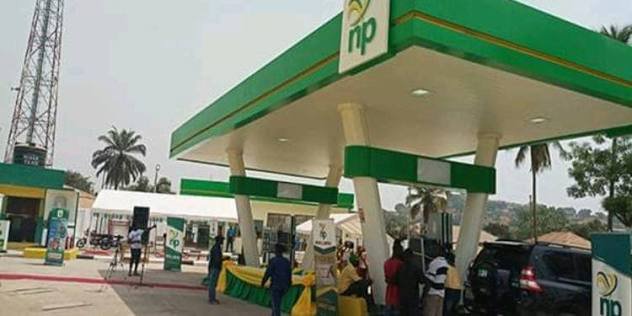
Sierra Leone’s long running debate over fuel pricing has entered a sharper, more politically charged phase, with organised labour and civil society rejecting the government’s latest pump price reductions as inadequate and misaligned with global market realities.
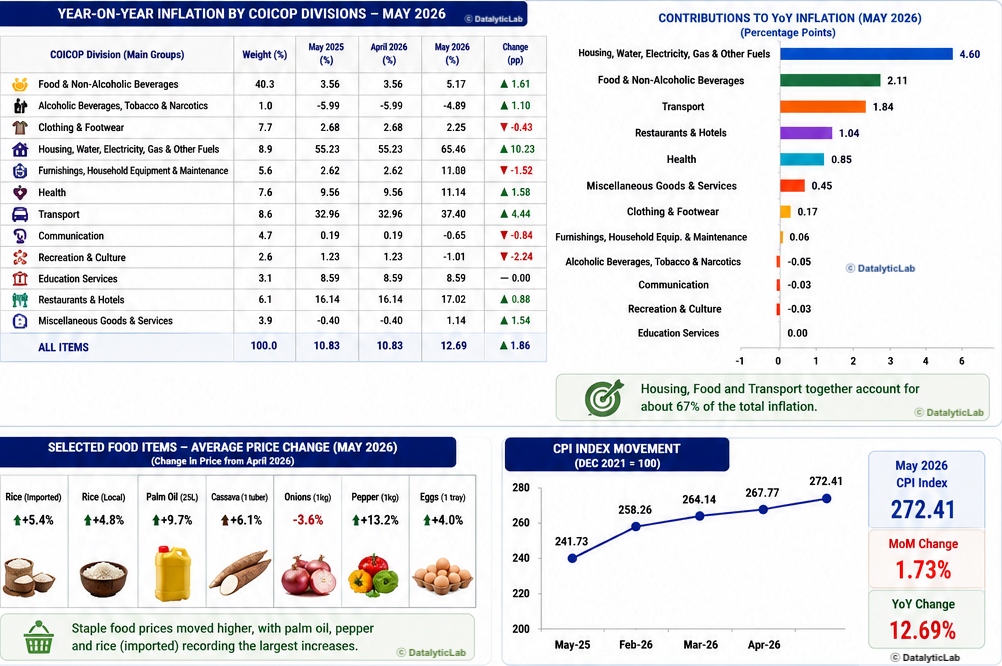
The Sierra Leone Labour Congress—representing more than three million workers—has formally dismissed the new prices of NLe 33.00 for petrol and NLe 35.00 for diesel, arguing that the cuts fall far short of what international crude trends justify. In a letter dated 29 June 2026, the Congress acknowledged the gesture but said the adjustment “does not proportionately reflect the significant decline in international crude oil prices,” adding that workers and households “continue to face undue financial strain” amid soaring living costs.
The union is urging President Julius Maada Bio to instruct the National Petroleum Regulatory Authority (NPRA) and the Ministry of Trade and Industry to undertake a deeper downward review “that accurately corresponds to the current landed cost of petroleum products.” Such a move, it argues, would deliver immediate economic relief, restore public confidence, and stimulate productivity at a time when disposable incomes are under pressure.
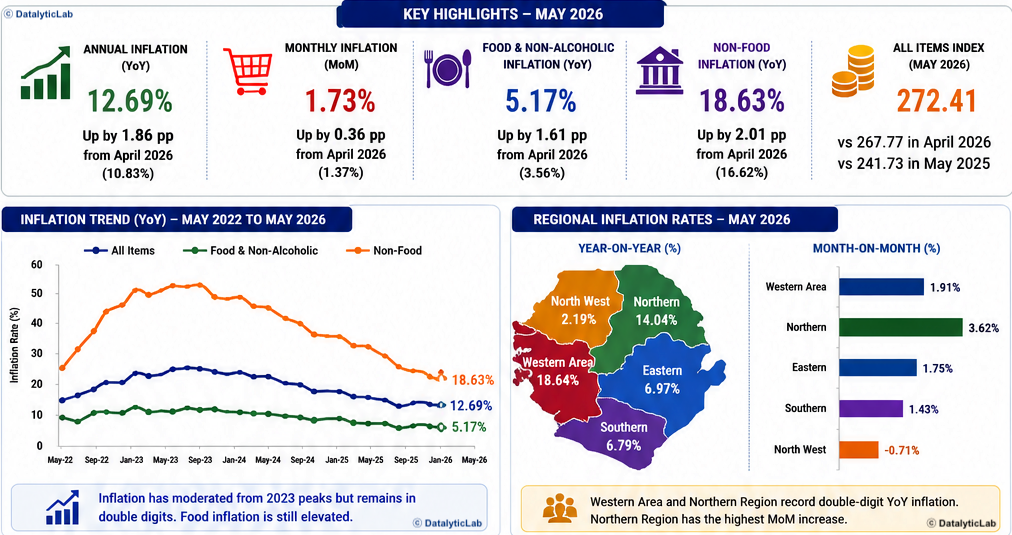
The NPRA responded swiftly, defending the pricing structure as one constrained by import premiums, subsidy pressures, and volatile global benchmarks. First half 2026 data released by the regulator shows: • Petrol averaged $636.40/MT in January, peaked at $1,127.09/MT in May, and stood at $950.29/MT in late June. • Diesel moved from $626.26/MT in January to $1,272.45/MT in April, settling at $966.39/MT by late June.
NPRA Executive Chairman Dr. Brima Koroma stressed that in a subsidised market, domestic prices do not fall symmetrically with global corrections. “Artificially low prices distort market structure and complicate downward adjustments,” he said, warning that aggressive cuts could trigger supply disruptions.
Crucially, Koroma revealed that importers are still paying USD $263 more per metric ton for petrol and USD $282 more for diesel compared to historical wholesale benchmarks—leaving “minimal room for deep retail cuts.”
Echoing labour’s position, Edmond Abu, Executive Director of the Native Consortium and Research Centre, dismissed the reductions as “insufficient.” In an online broadcast, he contrasted the government’s modest NLe 2 cut on petrol and NLe 5 cut on diesel with the steep fall in global crude—from highs of $110 per barrel to a $69–$78 baseline.
Abu accused the NPRA of “shadow boxing” and double standards, arguing that price hikes are implemented rapidly when global prices rise, but reductions lag when markets ease. He also raised concerns about uncollected taxes and infrastructure fees owed by Oil Marketing Companies (OMCs), suggesting that lax enforcement may be worsening the burden on citizens.
With the Labour Congress requesting an audience with President Bio, the fuel pricing debate is now firmly in the political arena. Citizens are demanding relief that reflects global trends, while the government insists it must balance consumer protection with market stability to avoid nationwide shortages.
The standoff underscores a broader economic dilemma: how to deliver meaningful cost of living relief without destabilising the fuel supply chain that powers Sierra Leone’s transport, agriculture, and commerce.
As global oil markets continue to fluctuate, the pressure on policymakers—and on household budgets—remains intense.